
Safety, Efficiency, And Public Presentation With Below The Hook Lifting Devices
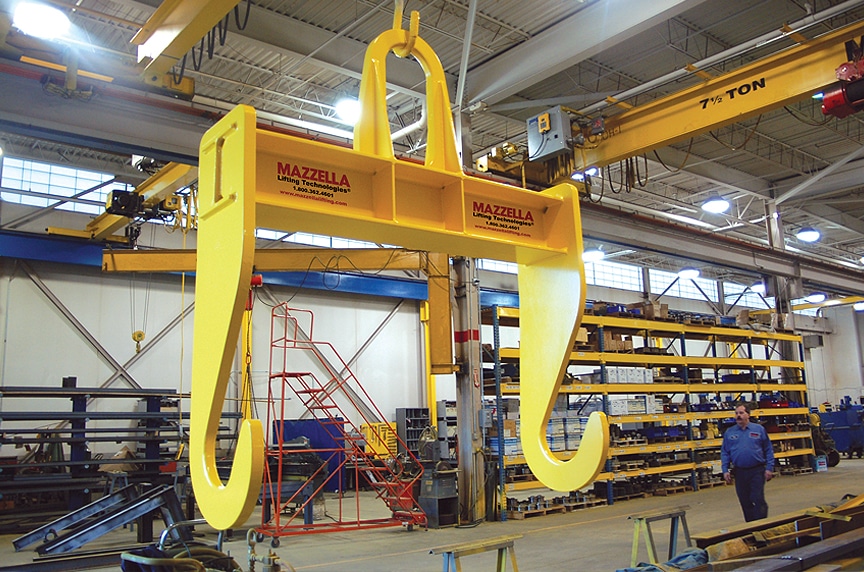
Below the hook lifting play a John R. Major role in industries where heavily lashing must be moved with precision and care. These are attached direct below a stretch out hook or run up hook and are studied to grip, subscribe, or balance dozens during lifting trading operations. From construction zones to manufacturing plants, below the hook lifting help teams handle materials that would otherwise be unsafe or ineffective to move by hand or with staple tackle.
Unlike simple slings or irons, these tools are often engineered for specific shapes, weights, and materials. This makes them a trusted root for lifting beams, plates, pipes, , and machinery components.
Why Below the Hook Lifting Devices Matter for Safety
Safety is one of the main reasons below-the-hook lifting devices are widely used. Poor lifting practices can cause load shifts, born materials, and serious injuries. A well chosen keeps the load stable and hanging down throughout the lift.
Key refuge benefits include Better load verify during lifting and lowering Reduced risk of slippage or imbalance Less strain on rigging equipment Improved visibleness and predictability for crane operators
Below the hook lifting devices are often studied to meet demanding load ratings, which adds another stratum of tribute when used right.
How Below the Hook Lifting Devices Work
Below the hook lifting between the stretch out hook and the load itself. They may use physics absorbing force, gravity, or locking systems to hold materials in direct. Some devices clamp onto the load, while others support it from beneath using bars or frames.
Once attached, the crane manipulator lifts the load as usual, but the device ensures the weight is thin properly. This reduces swing, whirl, or emergent social movement that can materials or make unsafe conditions.
Common Types of Below the Hook Lifting Devices
There are many kinds of below the hook lifting devices, each built for specific tasks. Choosing the right type depends on the stuff, weight, and work .
Spreader Beams and Lifting Beams
Spreader beams are used to slant across nonuple lifting points. They are apotheosis for long or whippy rafts that could bend or deform if raised from a 1 place. Lifting beams are synonymous but are often more intolerant and bundle off.
Plate Clamps
Plate clamps are studied to grip flat materials such as nerve plates. These below the hook lifting devices rely on clamping force and are usually used in metallic element manufacture and shipyards.
Coil Lifters
Coil lifters are used to wield steel or Al coils safely. They can lift coils in vertical or naiant positions, depending on the plan.
Pipe and Drum Lifters
These are shaped to cradle cylindric objects like pipes, barrels, or drums. They reduce rolling and slipping during lifting operations.
Custom Engineered Devices
Some jobs require peculiarly well-stacked below the hook lifting . These custom tools are designed around unique stacks, dimensions, or treatment needs.
Materials Commonly Handled with Below the Hook Lifting Devices
Below the hook lifting are varied and can be used for many materials, including Structural steel components Concrete panels and blocks Machinery and equipment Timber and ready-made assemblies Large containers or fictitious frames
Their adaptability makes them a key part of effective stuff treatment systems.
Benefits Beyond Basic Lifting
Using below the hook lifting offers advantages beyond plainly moving heavily items.
Improved efficiencyLoads can be positioned faster and with few adjustments.
Reduced damageSecure handling lowers the chance of dents, cracks, or rise up wear.
Better workflowWorkers pass less time re tackle or correcting unstable heaps.
ConsistencyRepeating the same lift becomes easier with purpose stacked devices.
Selecting the Right Below the Hook Lifting Devices
Choosing the right tool is essential for public presentation and safety. Factors to consider include Load slant and concentrate on of gravity Shape and size of the material Required lifting orientation Environmental conditions such as heat or moisture Compatibility with existing cranes and hoists
Using the wrongfulness can increase risk and slow down operations.
Inspection and Maintenance Practices
Below the hook lifting must be inspected regularly. Visual checks before each use can help place cracks, worn components, or loose connections. Scheduled inspections by competent personnel department check the corpse TRUE over time.
Proper depot also matters. Keeping strip, dry, and organized helps extend their workings life.
Training and Proper Use on the Job
Even the best below the hook lifting bet on proper use. Workers should be trained on fond regard methods, load limits, and correct lifting techniques. Clear communication between riggers and stretch out operators further improves refuge and efficiency.
Many worksites include specific instruction manual so that every lift follows a uniform process.
The Growing Role of Below the Hook Lifting Devices
As projects become large and materials more complex, below the hook lifting bear on to germinate. New designs focalize on easier handling, better poise, and stronger materials. These tools are no longer optional extras but requisite parts of Bodoni lifting trading operations.
With the right in target, heavy lifting becomes more controlled, more inevitable, and better straight with real world job demands, keeping worksites successful and slews moving exactly where they need to go.