
How do seasonal coloring sheets teach months?
Seasonal coloring pages are more than just fun art sheets for children; they are powerful educational tools that help students understand how the year is structured into months and seasons. In modern classrooms and home learning environments, Seasonal coloring pages are often used to connect visual creativity with time-based learning, making abstract concepts like months of the year easier to understand. 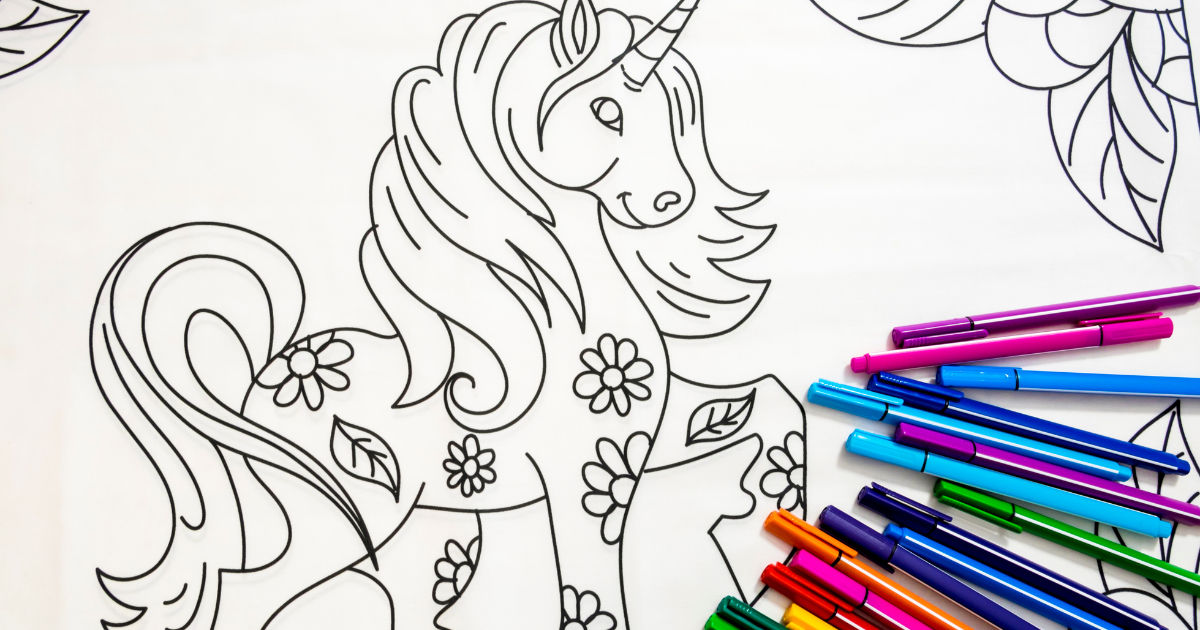 When students engage with Seasonal coloring pages, they are not only coloring pictures—they are building mental connections between weather patterns, holidays, nature changes, and the passage of time.
At a 12th-grade level of understanding, it may seem surprising that something as simple as coloring sheets can influence cognitive learning. However, educational psychology shows that visual and hands-on activities significantly improve memory retention. Seasonal coloring pages combine imagery, repetition, and thematic learning to help students internalize the structure of the calendar year in a meaningful way.
This guide explores how Seasonal coloring pages teach months, why they are effective, how they can be used in classrooms and homes, and how they support long-term learning development.
Seasonal Learning Through Visual Tools
Learning months is not just about memorizing names like January or July. It involves understanding patterns, sequences, and associations with environmental and cultural changes. Seasonal coloring pages help bridge this gap by turning abstract time concepts into visual experiences.
When students see snowflakes for winter or flowers for spring in Seasonal coloring pages, they begin associating those images with specific months. This builds a mental timeline where each month is connected to a recognizable seasonal identity.
Seasonal coloring pages work because they rely on visual memory, which is one of the strongest forms of human recall. Instead of memorizing a list, learners connect meaning to each segment of the year.
Repeated use of Seasonal coloring pages reinforces these connections, making it easier to recall months in order.
How the Brain Learns Months Using Seasonal Patterns
The human brain is naturally wired to recognize patterns. Months of the year are a sequential system, and Seasonal coloring pages turn that system into visual patterns that are easier to process.
For example:
- January may show snow and winter clothing
- April may show rain and blooming flowers
- July may show sunshine and outdoor activities
- October may show autumn leaves and pumpkins
When students color Seasonal coloring pages, they are not just filling in shapes. They are encoding associations between images and calendar positions.
These repeated associations strengthen neural pathways. Over time, students can recall months faster because they remember the image first and the month second.
This is why teachers often rely on Seasonal coloring pages in early education and even remedial learning environments.
Seasonal Breakdown: Connecting Months with Meaning
One of the strongest educational benefits of Seasonal coloring pages is how they divide the year into understandable segments. Each season becomes a cluster of months with shared characteristics.
Winter Months (December, January, February)
In Seasonal coloring pages, winter is often represented with snow, cold weather clothing, and indoor activities. Students learn that these months share similar environmental conditions.
By repeatedly coloring Seasonal coloring pages featuring winter themes, learners begin to associate cold weather imagery with these three months.
This visual grouping helps prevent confusion between early-year months.
Spring Months (March, April, May)
Spring-themed Seasonal coloring pages typically include flowers, rain, and growth imagery. Students begin to understand that spring represents renewal and change.
When working with Seasonal coloring pages, learners can easily distinguish spring from winter because of the strong contrast in visuals.
This contrast improves memory retention of months in sequence.
Summer Months (June, July, August)
Summer-themed Seasonal coloring pages include sunshine, beaches, and outdoor play. These images reinforce the idea of warmth and vacation periods.
Students who regularly use Seasonal coloring pages often remember summer months as “bright and active” time periods.
This emotional association strengthens cognitive recall.
Autumn Months (September, October, November)
Autumn-themed Seasonal coloring pages focus on falling leaves, harvest themes, and cooler weather.
By engaging with Seasonal coloring pages, learners understand that autumn represents transition and preparation for winter.
This seasonal cycle becomes easier to remember when tied to consistent visual cues.
Why Coloring Improves Memory of Months
Coloring is not a passive activity. It requires focus, decision-making, and repetition. Seasonal coloring pages enhance memory through active engagement.
When students color, they:
- Focus on shapes and patterns
- Associate colors with meanings
- Repeat seasonal themes
- Engage multiple senses
This combination makes Seasonal coloring pages highly effective for memory encoding.
Studies in educational psychology show that active participation improves recall by up to 70% compared to passive reading. This is why Seasonal coloring pages are widely used in early education and visual learning strategies.
Additionally, the act of coloring slows down cognitive processing, allowing students to spend more time thinking about the seasonal meaning behind each page.
Classroom Applications of Seasonal Coloring Pages
Teachers often integrate Seasonal coloring pages into lesson plans because they are flexible and easy to use across subjects.
Calendar Lessons
Educators use Seasonal coloring pages to teach the structure of the calendar year. Students can color each month according to its season, helping them build a visual timeline.
This method improves chronological understanding.
Science Integration
In science classes, Seasonal coloring pages help explain weather cycles, plant growth, and environmental changes.
Students connect scientific concepts with seasonal visuals, making abstract ideas more concrete.
Language Learning
When learning new vocabulary, Seasonal coloring pages provide context. Words like “blizzard,” “blossom,” or “harvest” become easier to understand.
Teachers often pair vocabulary lessons with Seasonal coloring pages for better retention.
Art and Creativity
Art teachers use Seasonal coloring pages to teach color theory and creative expression.
Students explore how seasonal themes influence artistic choices.
Home Learning and Parental Use
Parents also use Seasonal coloring pages as part of home learning routines. These pages offer structured yet enjoyable educational activities.
At home, Seasonal coloring pages can be used to:
- Reinforce school lessons
- Teach younger siblings about months
- Create seasonal decorations
- Build family learning routines
Because Seasonal coloring pages are simple and accessible, they are ideal for independent learning.
Parents often notice that children who regularly use Seasonal coloring pages become more confident in naming months in order.
Psychological Benefits of Seasonal Learning
Beyond academic learning, Seasonal coloring pages also support emotional and psychological development.
Improved Focus
Coloring requires sustained attention. Seasonal coloring pages help students develop concentration skills that transfer to other subjects.
Stress Reduction
Even older students benefit from the calming effect of coloring. Seasonal coloring pages provide a low-pressure learning environment.
Confidence Building
Completing Seasonal coloring pages gives students a sense of achievement. This boosts confidence in their ability to learn structured information like months.
Memory Reinforcement
Repetition through Seasonal coloring pages strengthens long-term memory retention of monthly sequences.
Designing Effective Seasonal Coloring Activities
Not all Seasonal coloring pages are equally effective. The design and structure matter significantly.
Effective pages should:
- Clearly represent seasonal themes
- Include recognizable month labels
- Use simple but meaningful imagery
- Encourage repetition and review
Teachers often rotate Seasonal coloring pages throughout the year to match real-time seasons. This real-world connection makes learning more powerful.
For example, using winter-themed Seasonal coloring pages during December reinforces real-life observation with classroom learning.
Linking Seasons to Real-Life Experiences
One of the most effective ways Seasonal coloring pages teach months is by linking learning to real-world experiences.
Students can observe:
- Weather changes outside
- Clothing differences
- Holiday celebrations
- Nature cycles
When these observations are paired with Seasonal coloring pages, the learning becomes multi-dimensional.
This combination of experience and visualization makes months easier to remember and understand in sequence.
Long-Term Educational Impact
The long-term impact of using Seasonal coloring pages goes beyond memorizing months. Students develop:
- Stronger visual learning skills
- Better sequencing ability
- Improved memory organization
- Greater environmental awareness
Even as students grow older, the foundational learning from Seasonal coloring pages remains useful in subjects like geography, science, and even history.
Understanding time cycles is essential for academic development, and Seasonal coloring pages provide an early foundation for this skill.
Conclusion
Seasonal coloring pages are a simple yet powerful educational tool that transforms the way students understand months and seasonal cycles. By combining visual learning, repetition, and thematic structure, Seasonal coloring pages help learners build strong mental connections between time, nature, and human activity.
Through consistent use, Seasonal coloring pages turn abstract calendar concepts into meaningful visual memories. Whether in classrooms or homes, they support academic learning, emotional development, and long-term cognitive growth.
In a world where digital learning is increasing, Seasonal coloring pages continue to offer a hands-on, effective, and engaging way to teach essential foundational knowledge.