Author: AsimAli

Lifestyle & Fashion

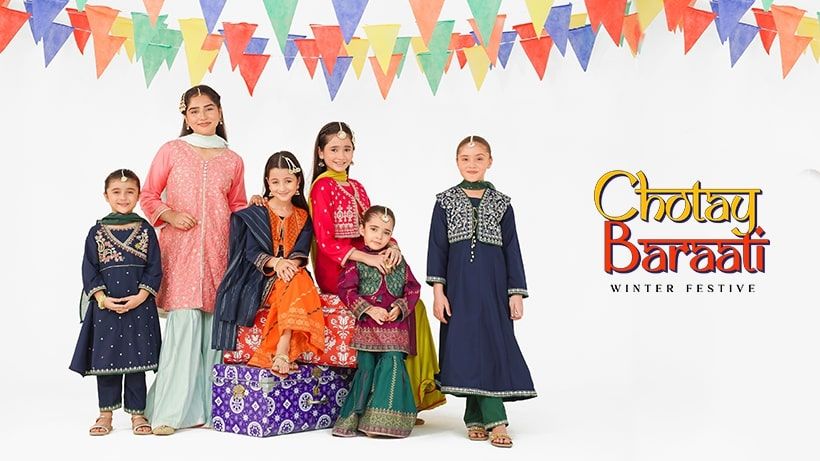
Best Color Trends in Eid Dresses for Girls?

Eid is a time of celebration, joy, and togetherness. Among the many traditions that mark this festive occasion, dressing up beautifully holds a special place, especially for girls.

The excitement of choosing vibrant outfits, mixing colors, and following the latest fashion trends makes Eid even more enjoyable. If you are looking to make your little one shine this Eid, understanding the best color trends in Eid dresses for girls is essential. In this guide, we will explore the top color choices, styling tips, and how to select the perfect dress for your child.

Why Color Matters in Eid Dresses

Color plays a significant role in festive clothing. It can enhance the mood, bring out personality, and reflect cultural vibrancy. For girls, Eid dresses are not just about comfort and design; the color also defines the style statement. Bright, pastel, or muted shades can completely transform a look, making it modern, traditional, or playful. Choosing the right color can ensure your child stands out while staying comfortable and stylish.

Pastel Shades: Soft and Elegant

Pastel colors continue to dominate the trend for Eid dresses for girls. Soft pinks, mint greens, baby blues, and lavender shades create a delicate and sophisticated appearance. These colors are perfect for younger girls as they are gentle on the eyes and exude innocence.

  • Soft Pink: A timeless choice for girls, soft pink gives a charming and sweet look. It pairs beautifully with silver or white accessories.

  • Mint Green: This refreshing shade is perfect for spring Eid celebrations. Mint green dresses can be paired with light gold embellishments for a regal touch.

  • Lavender: Lavender offers a soft, dreamy aesthetic. It works well with lace details or embroidery, making the dress elegant and festive.

Pastels are highly versatile, allowing parents to accessorize creatively without overwhelming the outfit. They also photograph beautifully, making them ideal for family pictures during Eid.

Vibrant and Bold Colors: Statement Choices

While pastels are elegant, bold colors are perfect for making a statement. Rich tones like royal blue, emerald green, deep red, and mustard yellow are trending this year in Eid dresses for girls. These colors add vibrancy, energy, and excitement to the outfit.

  • Royal Blue: A classic color that symbolizes elegance and confidence. Royal blue dresses often look stunning with golden embroidery or sequins.

  • Emerald Green: Green is associated with freshness and prosperity. An emerald green dress is ideal for evening celebrations.

  • Deep Red: Red never goes out of style. It adds warmth and festivity, making it a favorite for Eid parties and family gatherings.

  • Mustard Yellow: A cheerful and lively shade, mustard yellow can brighten any celebration and complements a variety of skin tones.

Bold colors work best for older girls who enjoy making a fashion statement. Pairing these colors with complementary accessories can enhance the overall look.

Metallic Tones: Sparkle and Shine

Metallic shades are becoming increasingly popular for Eid dresses for girls. Gold, silver, bronze, and rose gold add a touch of glamour and luxury. These colors are perfect for festive occasions where shimmer and shine are desired.

  • Gold: Symbolizes luxury and elegance. Gold-toned dresses often feature embroidery, sequins, or lace details.

  • Silver: Offers a modern and sophisticated vibe. Silver dresses look stunning with pastel or muted accessories.

  • Rose Gold: A trendy choice, rose gold is soft yet glamorous, making it perfect for girls who love unique styles.

Metallic tones can be used as main colors or accents in dresses, such as trims, belts, or embellishments. They elevate the overall look and make the outfit stand out.

Traditional Colors: Cultural Significance

Certain colors have traditional significance in Eid celebrations. White, cream, and light beige are classic choices that reflect purity and simplicity. These shades are timeless and perfect for more traditional or conservative settings.

  • White: Represents peace and purity. White Eid dresses for girls can be enhanced with delicate embroidery or lace for a festive touch.

  • Cream: A softer alternative to white, cream adds warmth and elegance. It pairs well with pastel or metallic accessories.

  • Beige: A neutral tone that provides a subtle yet classy look. Beige dresses can be paired with bright dupattas or shawls for contrast.

Traditional colors never go out of fashion and are ideal for formal family gatherings or religious celebrations.

Floral Prints: Fresh and Playful

Floral patterns remain a favorite in Eid dresses for girls. They add charm, freshness, and a playful element to the outfit. From tiny floral motifs to large, bold prints, these dresses are perfect for spring and summer Eids.

  • Pastel Florals: Soft floral prints in pastel shades provide a gentle, youthful look.

  • Bold Florals: Large and vibrant floral prints are suitable for older girls and make a striking statement.

  • Combination Prints: Mixing florals with subtle metallic details creates a balanced, modern look.

Floral dresses are versatile and can be styled with minimal accessories for a casual Eid or with jewelry for a more festive look.

Ombre and Gradient Colors: Modern Trend

Ombre or gradient color dresses are a modern trend gaining popularity in Eid fashion for girls. These dresses gradually blend one color into another, creating a visually appealing effect.

  • Pink to Peach: Soft transition between pink and peach gives a delicate, dreamy look.

  • Blue to Mint: A refreshing gradient perfect for daytime Eid celebrations.

  • Purple to Lavender: Adds a unique twist to traditional colors, making the dress stand out.

Ombre dresses are stylish and artistic, suitable for girls who enjoy contemporary fashion trends.

Tips for Choosing the Right Color

Selecting the perfect color for Eid dresses for girls involves considering several factors:

  1. Skin Tone: Choose colors that complement your child’s complexion. Pastels suit fair skin tones, while vibrant and jewel tones enhance medium to dark skin.

  2. Occasion: For family gatherings or religious ceremonies, traditional and soft colors are ideal. For parties, bold and metallic shades make a festive impression.

  3. Comfort: Ensure the color doesn’t fade easily and feels comfortable for your child to wear throughout the day.

  4. Accessories: Consider the color of accessories, shoes, and headscarves to ensure harmony in the overall outfit.

  5. Season: Light colors are preferable for summer Eid celebrations, while darker or metallic shades suit winter festivities.

Combining Colors Creatively

Mixing and matching colors can elevate the style of Eid dresses for girls. Here are some creative combinations:

  • Pastel with Metallic: Pair a soft pastel dress with gold or silver embroidery for elegance.

  • Bold with Neutral: A vibrant dress paired with neutral accessories balances the outfit.

  • Floral with Ombre: Combining floral patterns with ombre colors creates a trendy, unique look.

Experimenting with combinations allows girls to express their personality and makes the outfit more visually appealing.

Popular Fabrics for Eid Dresses

Color trends go hand in hand with fabric choices. The right fabric enhances the color, drape, and overall appearance of the dress. Popular fabrics for Eid dresses for girls include:

  • Chiffon: Lightweight and flowing, perfect for pastel and ombre dresses.

  • Silk: Luxurious and rich, ideal for metallic and bold colors.

  • Cotton: Comfortable and breathable, suitable for casual and floral dresses.

  • Net and Tulle: Adds volume and elegance, perfect for layered dresses and traditional colors.

Choosing the appropriate fabric ensures that the colors appear vibrant and the dress remains comfortable all day.

Accessorizing with Colors

Accessories play a crucial role in completing the look of Eid dresses for girls. Matching or contrasting accessories can enhance the outfit’s color palette. Some tips include:

  • Pair pastel dresses with silver or white shoes and light jewelry.

  • Add golden or metallic belts to bold-colored dresses for a regal touch.

  • Use floral hairbands or clips to complement floral or pastel dresses.

  • Scarves or dupattas in complementary shades can add depth and elegance.

Accessories help tie the outfit together and allow girls to express their personal style.

Footwear and Jewelry

Color coordination extends to footwear and jewelry as well. Shoes in neutral shades like white, beige, or gold work well with most dresses. For bold-colored dresses, matching shoes or metallic tones enhance the overall appearance. Jewelry should be subtle for younger girls and more elaborate for older girls to suit the dress’s style.

Conclusion

Choosing the right color for Eid dresses for girls is both exciting and essential. Pastel shades offer elegance, vibrant colors bring energy, metallics add glamour, and traditional colors reflect cultural heritage. Floral patterns, ombre effects, and creative combinations make the dress unique and trendy. By considering factors such as skin tone, occasion, comfort, and accessories, you can ensure that your child looks stunning and feels confident on Eid. With the right color choice, fabric, and styling, your little one can shine brightly and make lasting memories during this special celebration.

Eid is not just about the dress; it is about joy, togetherness, and creating beautiful moments. The perfect dress color enhances the festive spirit and allows girls to celebrate in style. Explore these color trends, mix and match creatively, and enjoy the process of finding the ideal outfit that reflects your child’s personality and the joyous essence of Eid.
Lifestyle & Fashion

5 Rules for Accessorizing Formal Dresses

Choosing the right outfit for an event can feel overwhelming, especially when the dress code falls between casual and elegant. In occasions like this, formal dresses often become the starting point for inspiration because they offer structure, class, and versatility. However, when the event calls for semi-formal attire, the goal is to strike a balance—stylish yet comfortable, polished yet not too extravagant.

Semi-formal outfits sit at the middle of the fashion spectrum. They are less strict than classic formal dresses, but they still require taste, refinement, and effort. Whether you are going to a cocktail party, corporate dinner, engagement celebration, school function, or a special evening out, there are countless options that blend sophistication with ease. This guide highlights 10 perfect semi formal dresses for events, helping you choose something stunning, modern, and fitting for your personal style.

In this complete and comprehensive guide, we will explore the characteristics of semi-formal wear, what makes certain styles timeless, and how different designs inspired by formal dresses can elevate your wardrobe. By the end, you’ll feel confident selecting a look that fits both the dress code and the event’s atmosphere.


Understanding Semi-Formal Fashion

Semi-formal fashion is a level below the traditional attire expected with formal dresses, but it still leans toward sophistication. It blends elegance with comfort, allowing for more creative and relaxed expression. While formal dresses typically demand floor-length gowns, luxury fabrics, and structured silhouettes, semi-formal dresses welcome cocktail lengths, softer fabrics, playful cuts, and more modern designs.

Semi-formal outfits can include knee-length dresses, midi dresses, two-piece sets, jumpsuits styled with formal accessories, or inspiration drawn from simpler formal dresses. As long as the outfit looks polished, intentional, and stylish, it fits within the semi-formal category.


10 Perfect Semi Formal Dresses for Events

1. Classic A-Line Cocktail Dress

The A-line cocktail dress is one of the most universally flattering silhouettes. Inspired by traditional formal dresses, it has a fitted bodice and a flared skirt, giving it a timeless, graceful look. This style is perfect for work events, graduation ceremonies, or engagement parties.

Why It Works

  • Creates a naturally balanced shape

  • Works well for almost every body type

  • Can be dressed up or down

Though less dramatic than floor-length formal dresses, the A-line cocktail dress carries a similar elegance in a more versatile length.


2. Satin Slip Dress

Satin slip dresses are modern, minimalistic, and highly fashionable. Many women choose them because they combine the elegance seen in formal dresses with the relaxed feel of semi-formal attire. The soft sheen of satin adds luxury without being overwhelming.

Why It Works

  • Lightweight and comfortable

  • Can be paired with heels, boots, or strappy sandals

  • Perfect for evening parties and semi-formal dinners

Slip dresses take inspiration from the sleek lines of high-end formal dresses, but deliver something lighter and trendier.


3. Midi Wrap Dress

The wrap dress is iconic because it offers the perfect blend of structure and comfort. Its adjustable waist and flowing skirt mimic the tailored feel found in many formal dresses, making it a great semi-formal choice.

Why It Works

  • Waist-accentuating design

  • Appropriate for daytime and evening events

  • Works well in solid colors, prints, or muted tones

Wrap dresses suit cocktail parties, birthdays, and family celebrations—any setting where polished semi-formal attire is preferred over classic formal dresses.


4. High-Low Hem Dress

High-low dresses bring drama to semi-formal clothing without going full gala-mode the way formal dresses often do. The shorter front and longer back hemline add movement, making the dress eye-catching and elegant.

Why It Works

  • Trendy and fashion-forward

  • Offers comfort and freedom to move

  • Perfect for weddings, dances, or outdoor celebrations

This style balances the grandeur of formal dresses with a playful twist that suits a wide range of semi-formal events.


5. Lace Midi Dress

Lace has always been a signature element in many formal dresses, and incorporating it into semi-formal outfits adds a touch of glamour. Lace midi dresses come in fitted, A-line, or sheath styles, offering many options based on your personal taste.

Why It Works

  • Delicate, feminine texture

  • Perfect for evening events

  • Beautiful in classic colors like black, burgundy, or navy

If you want something elegant without going into full formal dresses territory, lace midi dresses offer the perfect balance.


6. One-Shoulder Dress

One-shoulder dresses radiate confidence and style. They borrow the boldness often seen in red-carpet formal dresses but bring it into a wearable semi-formal format.

Why It Works

  • Unique asymmetrical neckline

  • Modern and sleek

  • Great for cocktail parties or special dinners

This design ensures you stand out without being overdressed, blending inspiration from glamorous formal dresses with semi-formal comfort.


7. Peplum Dress

Peplum dresses offer a structured, sophisticated silhouette that flatters the waist and hips. Their tailored style echoes the precision found in many formal dresses, making them ideal for business events, networking functions, or award ceremonies.

Why It Works

  • Adds definition to the waistline

  • Professional yet elegant

  • Suitable for both daytime and evening

For occasions requiring a polished look, peplum dresses sit at the perfect intersection between business attire and soft versions of formal dresses.


8. Velvet Bodycon Dress

Bodycon dresses made from velvet bring a warm, luxurious element to semi-formal style. Velvet has long been used in high-end formal dresses, giving it a rich feel that works beautifully for winter or nighttime events.

Why It Works

  • Soft and luxurious texture

  • Enhances natural curves

  • Best for cocktail gatherings and evening parties

Velvet bodycon dresses are a great choice when you want to channel the richness of formal dresses without wearing a full-length gown.


9. Tea-Length Dress

Tea-length dresses fall between the knee and ankle. This modest yet stylish length is often found in vintage-inspired formal dresses, making it a charming option for semi-formal events.

Why It Works

  • Retro and elegant

  • Moves beautifully when walking or dancing

  • Ideal for weddings, anniversaries, or outdoor events

Tea-length dresses offer the grace seen in classic formal dresses while being more practical and comfortable.


10. Jumpsuit Styled for Semi-Formal Events

While not a dress, a tailored jumpsuit styled well can match the elegance of many formal dresses. A jumpsuit with structured lines, quality fabric, and polished accessories can create a chic, modern semi-formal look.

Why It Works

  • Comfortable and contemporary

  • Suitable for fashion-forward events

  • Easy to accessorize

A jumpsuit gives the sophistication expected from formal dresses while offering comfort and movement.


How to Choose the Perfect Semi Formal Dress for an Event

Finding the right semi-formal outfit means considering style, comfort, and the event’s atmosphere. Here are key factors to guide you:

1. Event Time

Daytime events call for lighter colors and simpler designs, while evening events suit richer tones and details inspired by formal dresses.

2. Venue

Outdoor or garden events are ideal for flowy silhouettes, whereas indoor corporate venues may call for more structured styles similar to adapted formal dresses.

3. Personal Comfort

Your chosen dress should allow you to move comfortably. While formal dresses often sacrifice comfort for elegance, semi-formal styles should strike a perfect balance.

4. Fabric Choice

Chiffon, satin, velvet, lace, and high-quality blends all work well. Fabrics borrowed from formal dresses often elevate the outfit.

5. Accessories

Semi-formal looks shine with the right balance of jewelry, shoes, and outerwear. Accessories should support, not overshadow, the style—something especially important when toning down inspirations from formal dresses.


Styling Tips for Semi-Formal Dresses

Choose the Right Footwear

Heels, wedges, stylish flats, or ankle boots all pair well with semi-formal outfits. Choose based on the dress’s length and fabric. While formal dresses often require heels, semi-formal dressing gives you more options.

Match Accessories to the Event

Jewelry, handbags, and outer layers should enhance the look but remain balanced. Delicate jewelry tends to work well with styles influenced by formal dresses.

Keep Makeup and Hair Polished

Your makeup and hair should reflect the sophistication expected in semi-formal attire. You don’t need the elaborate styles used with luxury formal dresses, but a clean, refined appearance is key.


Why Semi-Formal Dresses Are So Versatile

Semi-formal dresses offer the best of both fashion worlds. They capture elements from formal dresses—like elegant fabrics, flattering silhouettes, and classic lines—while providing the flexibility needed for various events. Because of this, semi-formal clothing is ideal for:

  • School dances

  • Graduation events

  • Work dinners

  • Wedding receptions

  • Holiday gatherings

  • Cultural celebrations

  • Charity events

  • Dinner parties

Where formal dresses may feel too extravagant, semi-formal dresses create just the right impression.


Conclusion

Choosing the right semi-formal dress becomes much easier once you understand the balance between elegance and comfort. Although semi-formal clothing is less demanding than traditional formal dresses, it still requires thoughtful styling and attention to detail. From A-line silhouettes to satin slips, the 10 styles highlighted in this guide offer a perfect starting point for any event.

Semi-formal fashion allows you to enjoy the sophistication typically associated with formal dresses while embracing modern freedom, personal expression, and versatility. By selecting the right silhouette, fabric, and accessories, you can create a polished look that suits both your personality and the event’s vibe.

Whether you're attending a wedding, a corporate dinner, or a special celebration, the right semi-formal dress will help you make a memorable impression—elegant, comfortable, and confidently yourself.

Technology

How best video editing services handle revisions without

In the modern digital age, video content has become the heartbeat of marketing, storytelling, and personal branding. Whether you’re a business creating promotional videos, a YouTuber crafting engaging content, or a filmmaker refining your masterpiece, editing plays a pivotal role in shaping the final product. However, even the most talented editors occasionally need to make adjustments. That’s where revisions come into play — the critical stage that ensures every frame aligns perfectly with the client’s vision.

The best video editing services don’t just produce stunning visuals; they handle revisions with professionalism, efficiency, and precision. Understanding how they manage this delicate process can help you appreciate the artistry behind the scenes and set realistic expectations when collaborating on your next project.


Understanding the Role of Revisions in Video Editing

Revisions are an integral part of the creative process. They allow clients and editors to collaborate toward the perfect version of a project. A revision doesn’t mean something went wrong — it means the editor is fine-tuning details based on feedback.

For example, clients might request changes to transitions, color grading, pacing, or even sound design. The best video editing services approach these changes systematically to maintain both quality and consistency. They understand that revisions are not obstacles but opportunities to align creativity with purpose.


Why Revisions Matter

Revisions bridge the gap between a good video and a great one. They ensure that every aspect of the project — from tone to visuals — matches the client’s brand, message, and audience expectations.

A video’s success often depends on how effectively it communicates emotion, information, or story. Even a small mismatch in timing or tone can affect the impact. That’s why best video editing services treat revisions as an essential step in achieving perfection, not an afterthought.


The Standard Revision Workflow

Every professional editing team follows a defined workflow to manage revisions smoothly. This process minimizes miscommunication and helps maintain project timelines. Let’s break down how the best video editing services handle revisions without compromising quality or deadlines.


1. Initial Feedback Collection

After delivering the first draft, editors request feedback from the client. This stage sets the tone for revisions. The best video editing services provide clear guidelines for giving effective feedback — encouraging clients to be specific about what they like and what they’d like changed.

They often use timestamp-based feedback systems or project management tools where clients can pinpoint exact moments in the video. This makes communication clear and actionable.


2. Categorizing Feedback

Once the feedback is received, editors categorize it into three main types:

  • Technical Revisions: Corrections in sound sync, color balance, or effects.

  • Creative Revisions: Adjustments to storytelling, pacing, or music selection.

  • Major Structural Changes: Reworking sections or reordering sequences.

By organizing feedback, best video editing services can prioritize tasks, allocate time efficiently, and avoid confusion during the next editing round.


3. Version Control and Documentation

Maintaining version control is crucial. Each revision is saved as a new version, labeled clearly (e.g., v1.1, v2.0). This allows both clients and editors to track changes over time.

Professional editors use platforms like Frame.io, Wipster, or Adobe Team Projects to document every adjustment. This ensures transparency, accountability, and consistency across all revisions — a hallmark of best video editing services.


4. Revision Execution

Once feedback is categorized and clarified, editors begin making the requested changes. The focus is on maintaining creative integrity while incorporating client preferences.

Experienced editors know when to make technical fixes directly and when to discuss larger creative changes before implementing them. This communication ensures the final version remains cohesive and professional.


5. Quality Assurance Check

Before delivering the revised version, a quality control (QC) process ensures no new issues were introduced. Editors review color grading, audio levels, frame transitions, and text placement.

The best video editing services treat this stage as a mini-audit, ensuring that every revision enhances the project rather than complicating it.


6. Final Approval and Delivery

After all revisions are complete, the client receives the final version for approval. If no further changes are needed, the project is finalized, exported in the required formats, and delivered securely.

This seamless process reflects the efficiency and professionalism that define the best video editing services.


Balancing Creativity and Client Feedback

One of the toughest challenges editors face is balancing creative instincts with client expectations. A client may have a specific vision, while an editor might know a more effective approach visually or narratively.

The best video editing services excel at merging both perspectives. They use empathy and communication to understand the client’s goals, then apply technical expertise to elevate that vision. The result is a polished video that satisfies both artistic and strategic needs.


How Communication Enhances the Revision Process

Smooth communication is the backbone of successful revisions. Misunderstandings can lead to wasted time and frustration for both parties. That’s why the best video editing services invest heavily in clear communication tools and workflows.


1. Defined Feedback Channels

Editors and clients use dedicated platforms for comments and revisions. This keeps all discussions organized and prevents confusion.

2. Regular Progress Updates

Ongoing updates about progress or challenges help manage expectations. Transparency ensures clients feel included and confident in the process.

3. Feedback Templates

Many best video editing services offer templates to help clients provide actionable feedback. These templates prompt users to mention timestamps, describe desired changes, and explain reasons — reducing ambiguity.


Setting Clear Revision Policies

To avoid endless editing loops, professional video editing companies establish clear revision policies upfront. These policies outline how many revision rounds are included, how feedback should be submitted, and what qualifies as a new edit versus a revision.


1. Revision Limits

Typically, the best video editing services offer 2–3 rounds of revisions in their standard packages. Beyond that, additional changes may incur extra costs. This encourages clients to consolidate feedback thoughtfully.


2. Turnaround Time

Each revision round has a defined turnaround time, usually 24–72 hours depending on the scope. This keeps projects on schedule and prevents last-minute rushes.


3. Major vs. Minor Revisions

Minor revisions include text changes, audio tweaks, or color adjustments. Major revisions might involve new footage or re-edited sequences. Clear distinctions help both parties understand scope and effort.


How Technology Streamlines Revisions

Modern editing tools have transformed how revisions are handled. Software integration, cloud collaboration, and AI-based editing assistants have simplified communication and reduced time consumption.


1. Cloud-Based Collaboration

Platforms like Adobe Creative Cloud and Frame.io allow real-time collaboration between clients and editors, no matter where they are. Clients can view, comment, and approve edits instantly.

2. Automated Tracking

AI tools track changes, generate comparison previews, and flag inconsistencies automatically — helping editors ensure every version is an improvement over the last.

3. Instant Preview and Rendering

Thanks to advanced rendering engines, editors can quickly show clients multiple variations, helping them decide faster. This agility defines the best video editing services in today’s competitive market.


Avoiding Common Revision Pitfalls

Even with great tools, revisions can go wrong without structure. Here are common mistakes and how best video editing services avoid them.


1. Lack of Clarity

Vague feedback like “make it better” or “change the mood” can derail progress. Professionals ensure every request is specific and measurable.

2. Over-Editing

Too many revisions can strip away originality. Skilled editors maintain a clear vision, knowing when to stop tweaking to preserve artistic quality.

3. Ignoring the Target Audience

Revisions should enhance communication with viewers, not just please the client. The best video editing services always revisit audience goals before making major edits.


The Human Element Behind Revisions

While technology streamlines workflows, the human touch remains irreplaceable. Every revision reflects collaboration, understanding, and emotional intelligence.

The best video editing services employ editors who listen actively, interpret feedback creatively, and maintain patience even through multiple revisions. Their professionalism ensures that revisions are not viewed as burdens but as steps toward excellence.


How Clients Can Contribute to Effective Revisions

Clients play a significant role in ensuring smooth revisions. Here’s how they can make the process more efficient:

  • Be Specific: Highlight exact timestamps and describe desired changes clearly.

  • Consolidate Feedback: Gather all feedback from stakeholders before sending it.

  • Stay Consistent: Avoid changing direction mid-project unless necessary.

  • Trust the Experts: Respect the editor’s judgment and experience.

When clients follow these principles, the best video editing services can deliver refined results faster and with fewer rounds of edits.


Building Long-Term Partnerships Through Revisions

A successful revision process often leads to long-term collaborations. When editors consistently deliver high-quality revisions, clients gain confidence in their reliability and creativity.

Many businesses return to the best video editing services because they know revisions will be handled professionally — saving time, maintaining quality, and ensuring brand consistency.


Case Example: Efficient Revision Workflow in Action

Consider a marketing agency producing promotional videos for multiple clients. They partner with a best video editing service that provides structured revision workflows.

  • Round 1: The editor sends the first draft. The client provides timestamped feedback through Frame.io.

  • Round 2: The editor implements feedback and refines transitions.

  • Round 3: Only minor tweaks are required for final polish.

The result? A professional, on-brand video delivered on schedule — with zero miscommunication and complete client satisfaction. This efficiency defines why some editing services stand above the rest.


The Ethical Aspect of Handling Revisions

Professionalism in revisions also means maintaining honesty and respect. Editors shouldn’t overpromise or cut corners. Similarly, clients should respect revision limits and timelines.

The best video editing services promote ethical collaboration where both parties understand mutual responsibilities, leading to fair, transparent, and productive outcomes.


Adapting Revision Strategies for Different Industries

Different industries have unique editing needs. The best video editing services adapt their revision strategies accordingly.

  • Corporate Videos: Focus on brand tone and messaging alignment.

  • YouTube Content: Emphasize pacing, engagement, and audience retention.

  • Weddings or Events: Prioritize emotional storytelling and music synchronization.

  • Film and TV: Ensure cinematic consistency and narrative flow.

Tailoring revision workflows to each industry ensures maximum client satisfaction and creative precision.


Continuous Improvement Through Revisions

Each revision teaches something new — about client preferences, editing styles, or communication patterns. That’s why the best video editing services view revisions as learning opportunities.

By analyzing revision patterns and feedback trends, they refine their internal processes, resulting in faster delivery and superior quality for future projects.


Final Delivery and Post-Revision Support

Once the final version is approved, editors don’t just hand over files and disappear. The best video editing services provide post-revision support — ensuring clients can request minor fixes even after delivery, if necessary.

They also offer multiple output formats, ensuring compatibility across social media, web, and broadcast platforms. This end-to-end support reinforces trust and client loyalty.


Conclusion

Revisions are the invisible backbone of exceptional video production. They transform raw edits into compelling visual stories that connect with audiences and achieve business goals.

The best video editing services handle revisions with professionalism, structure, and creativity. They communicate clearly, use advanced tools, maintain version control, and prioritize client satisfaction — all while preserving artistic integrity.

By embracing revisions as a vital part of collaboration rather than an inconvenience, editors and clients create not just great videos but lasting creative partnerships.

Whether you’re a brand, creator, or filmmaker, choosing a professional editing service that excels at revisions ensures your vision shines — perfectly polished, emotionally resonant, and ready to captivate the world.

Lifestyle & Fashion

Your Guide to Comfortable Hanes Long Sleeve?

When it comes to clothing that offers the perfect mix of comfort, durability, and style, few brands stand as tall as Hanes. Known for their commitment to quality basics, Hanes has become a household name for reliable wardrobe staples. Among their best-loved items are the Hanes Long Sleeve shirts — a timeless blend of coziness and practicality that makes them perfect for everyday wear, layering, or even pairing with men's business and work casual shirts.

This guide dives deep into why Hanes Long Sleeves are a must-have, what makes them different, how to style them, and how they can fit seamlessly into your lifestyle. Whether you’re a student, a professional, or someone who values comfort without compromise, this article will help you understand everything about Hanes Long Sleeves — from their fabrics to their fit.


The Legacy of Hanes: A Name Built on Comfort

Before exploring the details of Hanes Long Sleeve shirts, it’s worth understanding the brand’s legacy. Hanes has been crafting comfort for over a century. The company began in the early 1900s with a mission to provide affordable, soft, and long-lasting undergarments. Over time, it expanded into T-shirts, sweatshirts, and other essentials that define the modern American wardrobe.

The success of Hanes lies in its ability to balance comfort and practicality. From everyday basics to men's business and work casual shirts, the brand focuses on providing clothing that feels great and looks appropriate for multiple occasions. Hanes believes comfort should never come at the cost of quality or appearance — a philosophy deeply reflected in their long sleeve designs.


Why Comfort Matters More Than Ever

In today's fast-paced lifestyle, comfort is no longer a luxury — it’s a necessity. Whether working from home, commuting to the office, or spending weekends outdoors, people crave clothes that move with them and feel soft against their skin.

Hanes Long Sleeve shirts deliver that and more. The combination of breathable fabrics, classic cuts, and tag-free designs creates an experience that feels effortless all day long. And unlike some fashion brands that sacrifice function for form, Hanes ensures every piece remains practical, whether paired with men's business and work casual shirts or worn on its own.

Comfort affects productivity, confidence, and even mood. When your clothing feels right, you move more freely, focus better, and feel more at ease. That’s exactly the kind of comfort Hanes aims to deliver — clothing that supports your lifestyle without demanding constant adjustment or thought.


The Fabric Science Behind Hanes Long Sleeves

At the heart of every Hanes Long Sleeve is its fabric technology. Hanes uses high-quality materials and advanced fabric engineering to ensure each shirt feels soft, breathable, and durable.

Here’s what makes their fabrics stand out:

1. Cotton Comfort

Most Hanes Long Sleeves are made from 100% cotton or a cotton-rich blend. Cotton is natural, soft, and hypoallergenic, making it ideal for sensitive skin. It allows air circulation, reducing heat buildup, and ensuring breathability — perfect for layering under men's business and work casual shirts.

2. ComfortBlend® Fabric

Some models feature Hanes’ proprietary ComfortBlend® fabric, a mix of cotton and polyester. This combination provides the softness of cotton with the durability and wrinkle-resistance of polyester. It’s ideal for people who want a shirt that looks neat even after a full day’s wear.

3. Moisture-Wicking Technology

Hanes Long Sleeves with X-Temp™ technology adapt to your body temperature and activity level, helping you stay cool when it’s hot and warm when it’s cold. This makes them great for both casual wear and layering in business settings with men's business and work casual shirts.

4. Tag-Free Design

One of the most underrated features of Hanes Long Sleeves is their tag-free collar. Traditional tags can cause itching and irritation. Hanes eliminates this problem entirely with printed labels that add to the overall comfort.


Fit and Style: Designed for Every Body Type

One reason Hanes Long Sleeves are so popular is their versatile fit. Whether you’re lean, muscular, or somewhere in between, Hanes designs accommodate various body shapes.

Classic Fit

The classic fit is relaxed yet structured. It gives enough room for movement without looking oversized. This fit is perfect for layering under men's business and work casual shirts, blazers, or jackets.

Modern Fit

For those who prefer a sleeker silhouette, the modern fit offers a closer cut to the body. It pairs exceptionally well with chinos or jeans, giving a smart-casual vibe that’s both stylish and comfortable.

Extended Sizes

Hanes is known for its inclusivity. Their long sleeve shirts come in a wide range of sizes, ensuring everyone can experience their comfort regardless of body type.


The Versatility of Hanes Long Sleeve Shirts

One of the biggest appeals of the Hanes Long Sleeve is its versatility. You can wear it in nearly any setting — casual, professional, or active.

Everyday Casual

For relaxed weekends, pair your Hanes Long Sleeve with jeans or joggers. The soft cotton fabric provides all-day comfort, making it ideal for lounging, errands, or outdoor strolls.

Workwear Layering

If you’re looking to maintain professionalism without losing comfort, use a Hanes Long Sleeve as an undershirt for men's business and work casual shirts. It keeps you warm in air-conditioned offices while giving a polished layered look.

Gym and Outdoor Activities

Moisture-wicking Hanes Long Sleeves are perfect for running, hiking, or gym sessions. They keep you dry and comfortable, and the fabric’s flexibility allows easy movement.

Seasonal Transitions

During spring and fall, a Hanes Long Sleeve can serve as the perfect in-between piece — warm enough for cool mornings yet light enough for midday warmth.


The Role of Hanes Long Sleeve in Men’s Fashion

Men’s fashion has evolved significantly, blending formality with comfort. The traditional wardrobe full of suits and stiff fabrics has made room for flexible, breathable options. Hanes Long Sleeves fit seamlessly into this modern aesthetic.

They provide a base layer that complements men's business and work casual shirts, allowing men to look sharp without compromising comfort. The clean lines and neutral tones make them adaptable for both office and off-duty outfits.

This shift reflects a growing desire among men to embrace clothing that supports movement, functionality, and comfort — a core philosophy that Hanes has embraced long before it became a trend.


Styling Your Hanes Long Sleeve

A great piece of clothing is one you can wear in multiple ways, and Hanes Long Sleeves excel at that. Here are a few style ideas:

With Jeans

Pair your white Hanes Long Sleeve with dark jeans for a classic, casual look. Add a denim jacket for a touch of ruggedness.

Under a Blazer

Layer your Hanes Long Sleeve under a blazer or cardigan for an effortless business-casual appearance. This combo works well with men's business and work casual shirts, giving off a neat, professional vibe without feeling too formal.

With Shorts

For summer evenings, roll up the sleeves and match your Hanes Long Sleeve with chino shorts and loafers. It’s stylish and relaxed, ideal for beach trips or casual dinners.

With Accessories

Add a simple watch, belt, or sneakers to elevate your look. The beauty of Hanes Long Sleeves lies in their simplicity — they adapt to any style.


Care and Maintenance Tips

To keep your Hanes Long Sleeve shirts soft and long-lasting, proper care is essential.

  1. Wash in Cold Water: Preserves fabric softness and prevents shrinkage.

  2. Avoid Bleach: Bleach can weaken cotton fibers over time.

  3. Tumble Dry Low: High heat can damage elasticity; use low heat to maintain the shirt’s shape.

  4. Fold, Don’t Hang: Hanging can stretch collars. Folding keeps the fabric intact.

  5. Iron on Low Heat: If needed, iron lightly to remove wrinkles without damaging the material.

With these simple steps, your Hanes Long Sleeve will remain fresh and comfortable, even after dozens of washes.


Why Hanes Long Sleeve Is a Smart Investment

When evaluating clothing purchases, consider three factors: value, comfort, and versatility. Hanes Long Sleeves check all three boxes. They’re affordable, yet the comfort they deliver rivals that of high-end brands.

Moreover, the ability to wear them across settings — from lounging at home to layering under men's business and work casual shirts — makes them a cost-effective addition to any wardrobe.

Instead of buying multiple shirts for different occasions, a few Hanes Long Sleeves can easily cover your needs throughout the week.


The Environmental Angle: Hanes’ Sustainable Efforts

Hanes isn’t just focused on comfort; it’s also committed to sustainability. The company has been recognized for reducing its environmental footprint through initiatives like:

  • Using EcoSmart® fabrics, which include recycled polyester made from plastic bottles.

  • Reducing water consumption in production processes.

  • Ethical manufacturing practices to ensure fair labor conditions.

When you buy a Hanes Long Sleeve, you’re supporting a brand that values both people and the planet — something increasingly important in today’s conscious consumer landscape.


Customer Reviews and Real-World Feedback

The true test of any product lies in customer satisfaction — and Hanes Long Sleeves consistently earn high praise.

Users often highlight their softness, fit, and durability as standout features. Many reviewers mention how these shirts maintain their shape even after years of use. Others appreciate their versatility, noting how they transition easily from casual wear to layering under men's business and work casual shirts for professional settings.

The positive feedback underscores what Hanes has always stood for — dependable, everyday comfort that people can trust.


Comparing Hanes Long Sleeves with Other Brands

While many brands offer long sleeve shirts, few match Hanes’ consistency in comfort and affordability.

Hanes vs. Fruit of the Loom

Both are trusted names, but Hanes often edges ahead in softness and tag-free comfort.

Hanes vs. Gildan

Gildan shirts are popular for customization, but Hanes provides a superior everyday feel — especially when used as layering pieces with men's business and work casual shirts.

Hanes vs. Premium Brands

While designer brands may offer fancier labels, Hanes delivers nearly identical comfort at a fraction of the price — proving that real value lies in practicality and performance.


Finding the Right Hanes Long Sleeve for You

Hanes offers a variety of long sleeve options to suit different needs. Here are some of their most popular choices:

  • Hanes ComfortSoft® Long Sleeve T-Shirt: Classic, soft, and breathable.

  • Hanes Beefy-T® Long Sleeve: Thicker fabric for those who prefer a more substantial feel.

  • Hanes X-Temp™ Long Sleeve: Moisture control for active lifestyles.

  • Hanes Ecosmart® Long Sleeve: Eco-friendly, made with recycled materials.

Each type offers unique benefits, allowing you to choose one (or several) that fit your lifestyle.


How to Shop for Hanes Long Sleeves

You can find Hanes Long Sleeve shirts in major retail stores, department outlets, and online platforms. When shopping, keep these factors in mind:

  • Check Size Charts: Hanes offers true-to-size fits, but it’s always best to confirm.

  • Choose Neutral Colors: Shades like white, black, navy, and gray offer the most versatility.

  • Buy Multipacks: Hanes often sells long sleeves in packs, offering better value for money.

  • Look for Sales: Retailers often discount Hanes products, especially during seasonal transitions.

This smart approach ensures you get comfort and quality without overspending.


Final Styling Tips for Maximum Comfort

  • Layer Strategically: Use your Hanes Long Sleeve under men's business and work casual shirts during cooler months.

  • Experiment with Colors: Try earth tones for fall, pastels for spring, and classic white for any occasion.

  • Roll the Sleeves: A small style tweak that adds personality to your look.

  • Add Outerwear: Combine with hoodies or vests for a balanced, layered outfit.

These small details can turn a simple shirt into a stylish statement piece.


Conclusion

The Hanes Long Sleeve shirt represents more than just clothing — it’s a symbol of comfort, reliability, and timeless style. From its soft fabrics to its thoughtful construction, every detail reflects Hanes’ commitment to making life more comfortable.

It’s a versatile piece that fits seamlessly into any wardrobe, whether you’re dressing casually or layering under men's business and work casual shirts. Affordable, durable, and stylish, Hanes Long Sleeves prove that true quality doesn’t need a high price tag.

If you value clothing that works as hard as you do — providing comfort from morning to night, year after year — then the Hanes Long Sleeve is the essential piece you’ve been looking for.

Technology

How to Use Git for Software Development?

Git is one of the most widely used tools in modern software engineering. Whether you are working on small personal projects or large-scale enterprise applications, understanding Software Development Git is essential. This guide will provide a step-by-step walkthrough of how to use Git effectively, covering everything from basic concepts to advanced workflows.

What is Git?

Git is a distributed version control system that allows developers to track changes in their code over time. Unlike traditional file storage, Git keeps a detailed history of modifications, enabling teams to collaborate efficiently and manage code conflicts.

Why Git is Important for Software Development

In modern Software Development Git is crucial because it helps teams:

  • Keep a historical record of code changes.

  • Collaborate across multiple developers without overwriting each other’s work.

  • Roll back to previous versions in case of mistakes.

  • Experiment with new features without affecting the main codebase.

Git acts as a safety net, ensuring that all changes are tracked and recoverable.

Installing Git

Before using Git, you need to install it on your computer. Git is compatible with Windows, macOS, and Linux.

Steps to Install Git

  1. Windows: Download the Git installer from the official website and follow the installation wizard.

  2. macOS: Use Homebrew with the command brew install git or download the installer.

  3. Linux: Use the package manager for your distribution. For example, on Ubuntu: sudo apt install git.

After installation, you can verify it by running:

git --version

This should display the installed Git version.

Setting Up Git

After installation, it is important to configure Git with your personal information.

git config --global user.name "Your Name" git config --global user.email "[email protected]"

This ensures that all your commits are correctly attributed to you.

Git Aliases

Git commands can be long, so setting up aliases can save time:

git config --global alias.st status git config --global alias.co checkout git config --global alias.br branch

With aliases, git status becomes git st, simplifying daily workflow.

Creating a Git Repository

A Git repository (or repo) is where all your project files and version history are stored.

Steps to Create a Repository

  1. Initialize a New Repository:

git init

This creates a new .git directory in your project folder.

  1. Cloning an Existing Repository:

git clone <repository-url>

Cloning copies all files, branches, and history from a remote repository to your local system.

Basic Git Workflow

Understanding the basic workflow is essential for smooth Software Development Git processes.

1. Checking Status

Before making changes, check the repository status:

git status

It shows which files are modified, staged, or untracked.

2. Staging Changes

To prepare files for commit, use:

git add <filename>

Or stage all changes:

git add .

Staging allows you to control what goes into your next commit.

3. Committing Changes

Once staged, save the changes in Git’s history:

git commit -m "Add feature X"

The commit message should be descriptive, explaining what changes were made.

4. Viewing Commit History

git log

This shows a list of commits, including author, date, and commit message.

Branching in Git

Branches allow developers to work on new features without affecting the main codebase.

Creating a Branch

git branch feature-branch

Switching Between Branches

git checkout feature-branch

Or combine branch creation and switching:

git checkout -b feature-branch

Merging Branches

After development, merge changes back into the main branch:

git checkout main git merge feature-branch

Resolving Merge Conflicts

Sometimes changes conflict. Git will mark conflicting files, and you must edit them manually. After resolving:

git add <filename> git commit

Branching is a core concept in Software Development Git, allowing multiple developers to work concurrently.

Working with Remote Repositories

Remote repositories, like GitHub or GitLab, allow collaboration and backup.

Adding a Remote

git remote add origin <repository-url>

Pushing Changes

git push origin main

This uploads your commits to the remote repository.

Pulling Changes

git pull origin main

This fetches and merges updates from the remote repository into your local copy.

Git Collaboration Workflow

In teams, Git facilitates smooth collaboration.

Forking and Pull Requests

  1. Fork: Make a personal copy of a repository.

  2. Clone: Copy it locally.

  3. Develop: Make changes on a new branch.

  4. Push: Send changes to your forked repo.

  5. Pull Request: Request the original repository to merge your changes.

This workflow ensures safe, collaborative development.

Git for Code Review

Git enables structured code review by showing differences (diffs) between branches:

git diff

This is essential in professional Software Development Git environments.

Advanced Git Techniques

Once comfortable with basics, these techniques help optimize development.

Stashing Changes

Save changes temporarily without committing:

git stash git stash apply

This is useful when switching tasks without committing unfinished work.

Rebasing

Rebasing keeps the commit history clean:

git checkout feature-branch git rebase main

It applies your commits on top of the main branch, creating a linear history.

Tagging

Mark releases or versions:

git tag -a v1.0 -m "Release version 1.0" git push origin v1.0

Cherry-Picking

Apply a single commit from another branch:

git cherry-pick <commit-hash>

Useful for bug fixes or selective updates.

Git Best Practices

To excel in Software Development Git, follow these practices:

  • Commit often with clear messages.

  • Keep branches focused on a single feature or fix.

  • Regularly pull from remote repositories to avoid conflicts.

  • Avoid committing large binary files.

  • Use .gitignore to exclude unnecessary files.

These practices prevent mistakes and enhance team efficiency.

Common Git Mistakes and How to Avoid Them

Even experienced developers make mistakes. Here’s how to avoid them:

  1. Overwriting Changes: Always pull before pushing.

  2. Messy Commit History: Use descriptive messages and rebase when necessary.

  3. Ignoring Conflicts: Resolve conflicts carefully instead of skipping.

  4. Committing Secrets: Avoid sensitive data in repositories.

By being aware of these issues, you maintain a healthy repository and a smooth workflow.

Integrating Git with IDEs

Many modern IDEs, like VS Code, IntelliJ, and Eclipse, have built-in Git support. Features include:

  • Visual commit history.

  • One-click staging and committing.

  • Merge conflict resolution tools.

  • Integration with remote repositories.

Using Git within an IDE can simplify tasks for beginners.

Using Git in Continuous Integration/Continuous Deployment (CI/CD)

Git is vital in modern DevOps workflows:

  • CI tools like Jenkins or GitHub Actions automatically build and test code on every commit.

  • CD pipelines deploy code to production after successful tests.

  • Branching strategies (like Git Flow) integrate seamlessly with CI/CD for automated releases.

This ensures faster, safer, and more reliable software delivery.

Learning Resources for Git

To master Software Development Git, use these resources:

Practicing real projects is the best way to internalize Git skills.

Conclusion

Git is more than a version control system; it is a cornerstone of modern Software Development Git. From managing individual projects to collaborating in large teams, Git provides tools to track changes, manage branches, and integrate with CI/CD pipelines.

Understanding the workflow, mastering commands, and following best practices will make development smoother, reduce errors, and enhance team productivity. By combining Git with modern tools and CI/CD practices, developers can focus more on writing high-quality code and less on managing version control issues.

Whether you are a beginner or an experienced developer, continuous practice with Git is key. Start small, explore advanced techniques gradually, and embrace collaborative workflows. The more proficient you become, the more confident you will be in managing software projects of any scale.