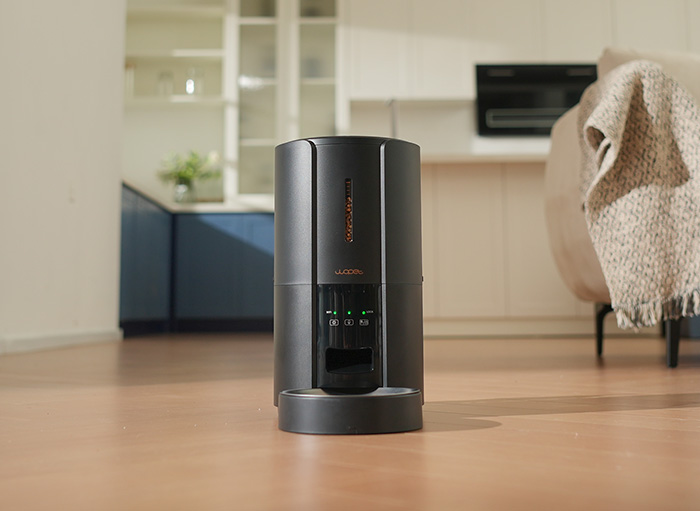
Pets

Pets

WiFi Cat Feeders vs. Traditional Cat Feeders: Which Is Right for You?

Feeding your beloved feline friend is an essential part of pet ownership. But in today's tech-savvy world, even cat feeding has gone high-tech. WiFi cat feeders have emerged as a trendy solution to ensure your cat gets its meals on time, even when you're not at home. However, traditional cat feeders have been serving pet owners for decades. So, which one is right for you and your furry companion? In this article, we'll break down the pros and cons of WiFi cat feeders and traditional cat feeders to help you make an informed decision.

WiFi Cat Feeders: The Future of Cat Feeding

Pros:

Remote Feeding Control: WiFi cat feeders can be controlled remotely using a smartphone app. This means you can feed your cat from anywhere, even if you're stuck in traffic or on vacation.
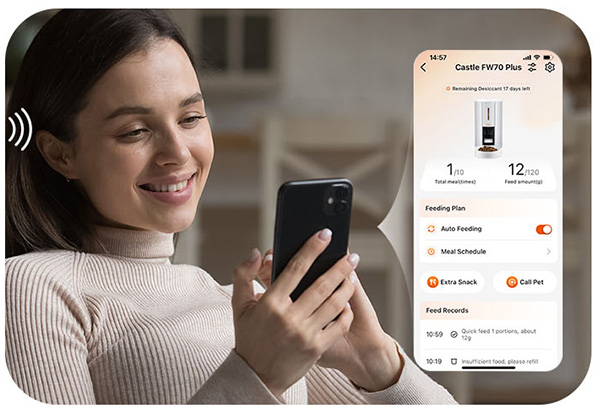
remote feeding

Scheduled Feeding: You can set precise feeding schedules, ensuring your cat gets the right amount of food at the right time every day. This is especially useful if you have a busy lifestyle.

Portion Control: WiFi cat feeders often come with portion control features, preventing overfeeding and helping to maintain your cat's ideal weight.
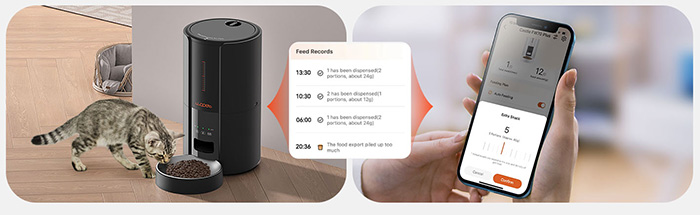
portion control

Customizable Meals: Some models allow you to customize meals with different types of food, making it suitable for cats with dietary restrictions or picky eaters.

Alerts and Notifications: Get s on your phone when your cat is fed or if the feeder is low on food, ensuring you're always aware of your cat's feeding status.

Cons:

Initial Cost: Automatic cat feeders are typically more expensive upfront compared to traditional feeders.

Dependence on Technology: They rely on a stable internet connection and a functioning app. If either fails, your cat might miss a meal.

Power Outages: During power outages, WiFi feeders may not work unless they have a backup power source.

Traditional Cat Feeders: Time-Tested Convenience

Pros:

Affordability: Traditional cat feeders are generally more budget-friendly, making them accessible to a wide range of pet owners.

No Tech Hassles: You don't need a smartphone or internet connection to use them, making them suitable for those who prefer a low-tech solution.

Reliability: Traditional feeders are not prone to technological glitches or connectivity issues.

Simple Setup: They are easy to set up and require minimal maintenance.
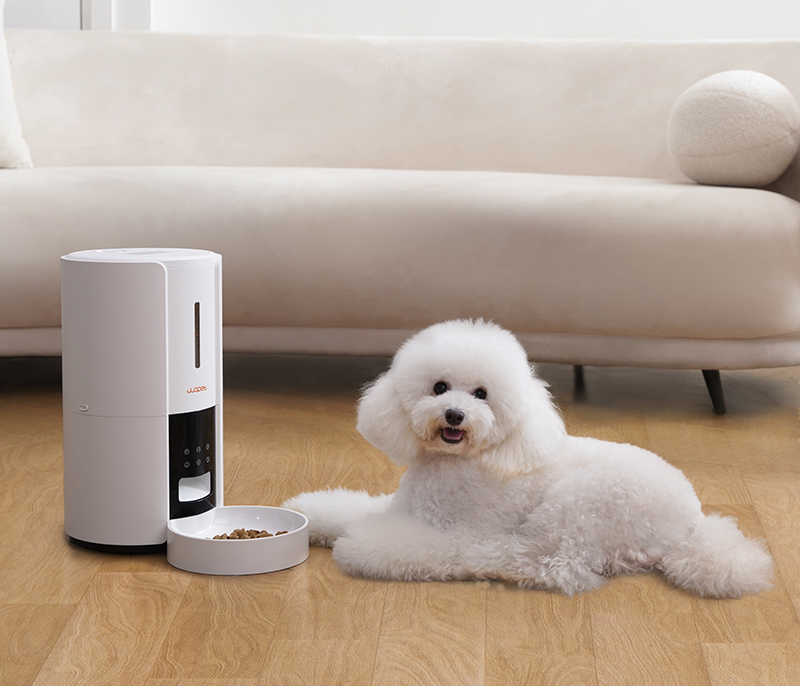
wopet auto cat feeder

Cons:

Limited Automation: Traditional feeders lack the advanced scheduling and customization options that WiFi feeders offer.

No Remote Control: You can't feed your cat remotely, so you need to be home to ensure your cat gets its meals on time.

No Alerts: You won't receive notifications about your cat's feeding unless you're there to see it.

Not Ideal for Special Diets: If your cat has specific dietary needs, traditional feeders may not be as accommodating as their WiFi counterparts.

Which One Is Right for You?

Choosing between a WiFi cat feeder and a traditional cat feeder depends on your lifestyle, budget, and your cat's specific needs. Here are some factors to consider:

Your Schedule: If you have a hectic schedule that often keeps you away from home, a auto cat feeder's automation and remote control features might be a lifesaver.

Budget: If you're on a tight budget, a traditional cat feeder may be more financially feasible.

Reliability: Consider your confidence in technology. If you're tech-savvy and comfortable with apps and devices, a WiFi cat feeder might be a great fit. If not, a traditional feeder provides simplicity and peace of mind.

Cat's Dietary Needs: If your cat has special dietary requirements or needs portion control, a WiFi cat feeder with customization options could be beneficial.
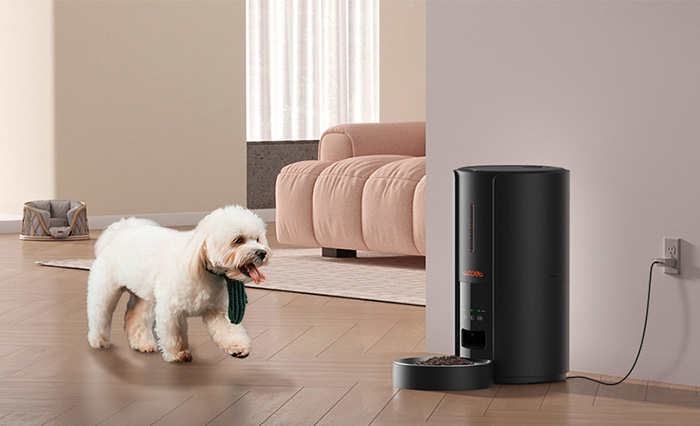
wopet wifi automatic cat feeder

In conclusion, both WiFi cat feeders and traditional cat feeders have their advantages and disadvantages. Your choice should align with your lifestyle, budget, and your cat's unique needs. Ultimately, the key is to ensure your feline companion receives the love and care they deserve, whether through technology or the tried-and-true methods of a traditional feeder.

Source: https://wopet.com/cats/wifi-cat-feeders-vs-traditional-cat-feeders/
Pets

How to Introduce Your Pet to a New Automatic Feeder: A Step-by-Step Guide

Proper pet feeding is essential for maintaining their overall health and well-being. It directly impacts their energy levels, weight management, and even their behavior. Ensuring that your pet receives the right nutrients in the right amounts is crucial for their growth and development.

Automatic feeders offer a convenient solution for busy pet owners, ensuring that their pets receive timely and accurate portions of food even when they're not around. These devices can help regulate feeding schedules, prevent overeating, and provide a consistent routine for your furry companions.

Part 1. Understanding Your Pet's Feeding Habits

Recognizing your pet's current feeding routine

Before introducing an automatic feeder, it's important to observe and understand your pet's existing eating habits. This includes the times they prefer to eat, their portion sizes, and any specific behaviors associated with mealtime.

pets feeding routine

Identifying any specific dietary requirements

Some pets may have specific dietary needs due to health conditions or allergies. It's crucial to consult with a veterinarian to determine if any special dietary considerations should be accounted for when setting up the automatic feeder.

Determining the appropriate feeding schedule

Establishing a consistent feeding schedule is crucial for maintaining your pet's digestive health. Take into account their age, size, and activity levels to determine the most suitable feeding times and portion sizes for your pet.

Part 2. Choosing the Right Automatic Feeder

Factors to consider when selecting an automatic feeder

Consider factors such as your pet's size, dietary needs, and the number of pets you have when choosing the right automatic cat feeder. Additionally, think about the feeder's capacity, ease of cleaning, and programming capabilities.

Reviewing different types of automatic feeders available

There are various types of automatic feeders, including gravity-based feeders, programmable electronic feeders, and smart feeders with advanced features. Understanding the pros and cons of each type can help you make an informed decision.

wopet automatic cat feeders

Highlighting key features to look for in an automatic feeder

Look for features such as portion control, customizable feeding schedules, easy-to-clean components, durable materials, and reliable programming to ensure that the automatic feeder meets your pet's specific requirements.

Part 3. Preparing Your Pet for the Transition

Familiarizing your pet with the new feeder's presence

Introduce the automatic feeder gradually to help your pet get accustomed to its presence in the designated feeding area. Let them explore and investigate the device at their own pace.

Establishing a positive association with the feeder

Encourage your pet's curiosity by placing treats or familiar scents near the feeder. This can help create a positive association, making them more receptive to the new feeding method.

establish a positive association with feeder

Gradually adjusting your pet's feeding schedule

Start making small adjustments to your pet's feeding schedule a few days before introducing the automatic feeder. This will help them anticipate changes and adjust to the new routine more smoothly.

Part 4. Step-by-Step Process for Introducing the New Feeder

Initial introduction and demonstration of the feeder

Show your pet how the automatic feeder operates, allowing them to observe the dispensing mechanism and the sound it makes. Use positive reinforcement techniques, such as praise or treats, to create a positive association with the feeder.

Implementing a gradual transition from manual to automatic feeding

Begin by integrating the automatic feeder into your pet's feeding routine alongside their regular feeding schedule. Slowly increase the proportion of food dispensed by the automatic feeder while decreasing the amount provided manually.

Monitoring your pet's response and behavior during the transition

Observe your pet's reaction to the automatic feeder closely. Look for any signs of discomfort, hesitation, or excitement. Adjust the feeding process accordingly to ensure that your pet feels comfortable and confident using the new device.

Part 5. Final Tips for Successful Adoption of the Automatic Feeder

Encouraging positive reinforcement and patience throughout the process

Continue to provide positive reinforcement, encouragement, and patience as your pet adjusts to the new feeding system. Celebrate small milestones and offer rewards to reinforce their positive behavior.

wopet automatic dog feeder

Incorporating play and interaction during feeding times

Use mealtime as an opportunity for bonding by incorporating interactive toys or engaging activities that stimulate your pet's mental and physical well-being. This can help create a positive association with the feeding experience.

Sustaining a healthy and balanced lifestyle for your pet

Regularly monitor your pet's weight, energy levels, and overall well-being to ensure that the automatic feeder is supporting their nutritional needs. Adjust the feeding schedule and portion sizes as needed to maintain a healthy and balanced diet.

Source: https://wopet.com/cats/how-to-introduce-your-pet-to-a-new-automatic-feeder/