
Is a baby seat cooler safe to use?
Keeping a baby comfortable during hot weather can be challenging, especially when traveling by car. A Baby seat cooler may seem like a simple solution for reducing heat around a child's car seat, stroller, or other seating area. Parents often consider these products when temperatures rise because car interiors can become extremely hot, and babies are more vulnerable to heat than adults.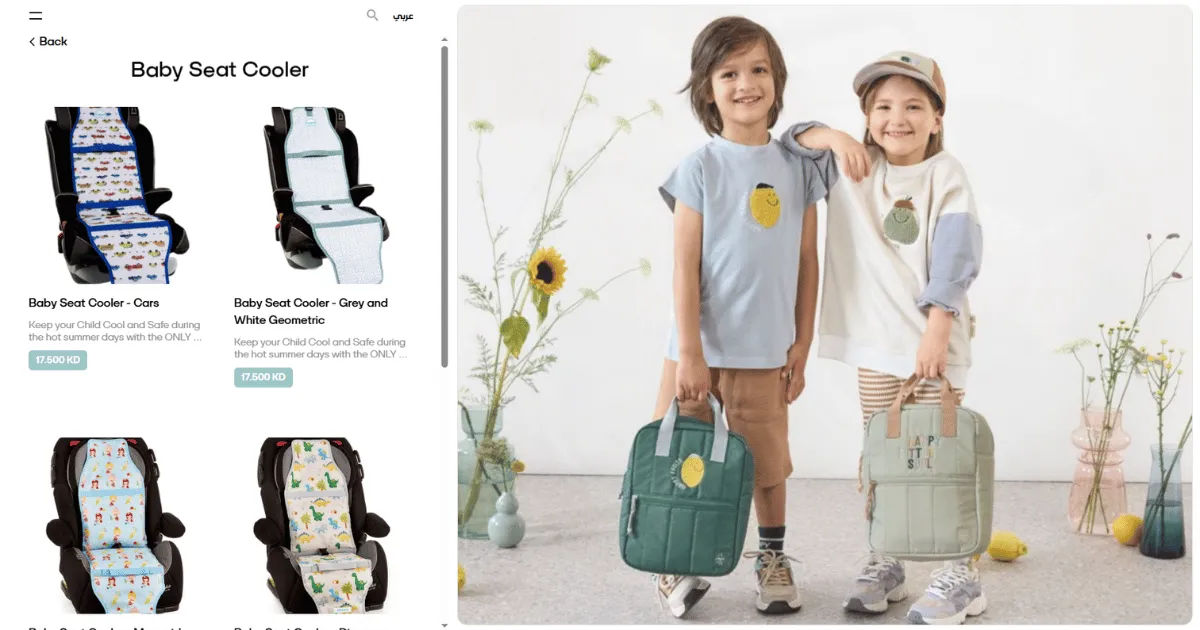
However, safety should always come before comfort. A cooling product that works well in one situation may create risks in another, particularly if it changes how a child sits in a car seat, interferes with harness straps, becomes too cold, or is used incorrectly. The answer to whether a Baby seat cooler is safe depends on the specific product, how it is designed, where it is placed, and whether it is compatible with the child's car seat.
The most important rule is simple: never use a cooling accessory in a way that interferes with the proper installation or function of a child's car seat. A cooling pad, insert, gel mat, or other accessory should not be placed between the child and the harness unless it has been specifically approved by the car seat manufacturer.
This comprehensive guide explains how these cooling products work, the potential benefits and risks, how to use them safely, what parents should look for when choosing one, and what alternatives may help keep babies comfortable during hot weather.
What Is a Baby Seat Cooler?
A Baby seat cooler is a product designed to help reduce heat buildup around a baby or young child while they are sitting in a car seat, stroller, high chair, or similar seat. Depending on the design, it may use breathable materials, cooling fabrics, gel technology, water-based cooling, or airflow to help make the seating environment more comfortable.
Some products are designed to cool the seat surface itself. Others are intended to cool the surrounding area without directly contacting the baby's body. There are also cooling accessories that can be chilled before use and then placed near the child.
The term "seat cooler" can refer to several different types of products, so parents should not assume that every cooling product has the same safety characteristics.
Some are simple breathable seat covers. Others contain gel or cooling materials. Some may be designed specifically for use with certain car seats, while others are general-purpose cooling cushions.
Because of these differences, safety cannot be determined by the product name alone.
Parents should always read the product instructions and check whether the accessory is approved for use with their child's specific seat.
Why Babies Need Extra Protection From Heat
Babies and young children are more vulnerable to heat than adults. Their bodies are smaller, and they may not regulate body temperature as effectively as older children and adults.
A baby may also be unable to communicate clearly that they are feeling too hot. An infant cannot simply remove a blanket, move to a cooler location, or ask for a drink.
This makes it especially important for parents and caregivers to monitor the child's environment.
Car interiors can become dangerously hot even when the outside temperature does not seem extreme. Direct sunlight through windows can heat up the child's seating area, while dark upholstery and limited airflow can make the situation worse.
A cooling accessory may help with comfort, but it should never be considered a substitute for proper temperature management, ventilation, supervision, and safe travel practices.
Is a Baby Seat Cooler Generally Safe?
A Baby seat cooler can be safe when it is designed for the intended purpose and used according to the manufacturer's instructions. However, not every cooling accessory is safe for every child or every car seat.
The biggest concern is whether the product changes the way the child fits into the seat.
Car seats are carefully designed and tested with specific materials and configurations. Adding an aftermarket cushion, pad, insert, or thick cover can change the position of the child or affect how the harness fits.
If a cooling product creates extra space between the child and the seat, the harness may no longer hold the child correctly during a crash.
For this reason, parents should be particularly careful with products that sit underneath the child's body or behind their back.
A product that simply improves airflow without changing the child's position may present fewer concerns than a thick cushion placed beneath the child.
The safest approach is to check the car seat manufacturer's instructions before using any aftermarket cooling product.
The Importance of Car Seat Compatibility
One of the most important safety considerations is compatibility.
A cooling product may be safe in a stroller but unsuitable for use in a car seat. It may also be appropriate for one car seat model but not another.
Parents should not assume that a product is safe simply because it is marketed for babies or children.
The car seat manufacturer may have specific rules regarding accessories. Some manufacturers allow certain products, while others recommend using only accessories that came with the original seat.
Before using a Baby seat cooler with a car seat, carefully review the car seat manual.
If the manual does not clearly explain whether the accessory can be used, contacting the manufacturer directly is a sensible option.
This is especially important for products that go under the child, behind the child's back, or underneath the harness straps.
Why Aftermarket Inserts Can Be a Concern
Car seats are tested using specific configurations. When parents add aftermarket products, the original setup may change.
A thick cooling cushion can raise the child's body slightly. This may affect the harness angle or positioning.
A soft insert may also compress during a crash, creating additional movement.
Even if the product feels comfortable during everyday use, its behavior during a collision may be very different.
This is why comfort should not be the only factor when choosing a cooling accessory.
A cooling product should never compromise the primary purpose of the car seat, which is to protect the child in a crash.
Cooling Products Should Not Interfere With Harnesses
The harness is one of the most important parts of a child's car seat.
A cooling accessory should not prevent the harness from fitting snugly against the child.
Parents should be cautious if a cooling product:
- Changes the child's seating position
- Pushes the child forward
- Adds thick padding behind the child's back
- Creates space underneath the child's body
- Prevents the harness from tightening properly
- Covers or interferes with harness straps
- Changes the position of the chest clip
A correctly fitted harness should remain secure according to the car seat manufacturer's instructions.
If a cooling accessory makes the harness appear loose, it should not be used in that configuration.
Can Cooling Gel Products Be Safe?
Gel-based cooling products can provide noticeable cooling, but parents should consider several factors before using them.
Some gel products may become very cold when refrigerated or frozen. Direct contact with very cold material can be uncomfortable and, in some cases, may irritate a baby's sensitive skin.
A product should never be used if it becomes excessively cold.
Parents should also inspect the product regularly for leaks, damage, or deterioration.
If a gel pack breaks open, the contents could come into contact with the child's skin or mouth.
For infants and young children, products containing loose gel or small removable components should be handled with particular care.
The product should also be used only as directed. If the manufacturer specifically states that a cooling pad should not be frozen, parents should follow that instruction.
Avoid Extreme Cooling
The goal of cooling a baby is to prevent overheating, not to make the child extremely cold.
A common mistake is assuming that colder is always better.
It is not.
A baby's skin is delicate, and excessive cold can cause discomfort. A very cold surface may also make it difficult for parents to notice whether the child is becoming too cold.
Cooling products should generally provide gentle temperature relief rather than extreme cooling.
Parents should periodically check the baby's comfort and overall condition instead of relying entirely on the cooling product.
Watch for Signs of Overheating
Even when using a Baby seat cooler, parents should continue monitoring the child.
Possible signs of overheating can include:
- Unusual sweating
- Hot or flushed skin
- Irritability
- Rapid breathing
- Unusual tiredness
- Weakness
- Dizziness in older children
- Reduced responsiveness
- Signs of dehydration
If a baby appears seriously overheated, unusually sleepy, difficult to wake, or otherwise unwell, parents should treat the situation seriously and seek appropriate medical assistance.
A cooling accessory is not a medical treatment for heat-related illness.
If a child shows concerning symptoms, the priority should be moving them to a cooler environment and obtaining appropriate care.
Does a Baby Seat Cooler Prevent Heatstroke?
No.
A Baby seat cooler may improve comfort, but it should not be viewed as protection against heatstroke.
Heatstroke is a serious medical emergency. A cooling accessory cannot guarantee that a child will remain at a safe temperature.
Parents should never leave a baby or young child alone in a parked vehicle, even if the windows are partially open or a cooling product is being used.
Vehicle temperatures can rise quickly, and a cooling pad cannot reliably compensate for extreme heat.
The safest strategy is to take the child with you whenever you leave the vehicle.
Never Leave a Child Alone in a Hot Car
This point deserves special emphasis.
A cooling product should never create a false sense of security.
A parent may think that a cooling pad will keep a baby comfortable for a short period while they quickly visit a store or complete an errand. However, temperatures inside a vehicle can become dangerously high.
The risk is not eliminated by shade, open windows, air conditioning that has been turned off, or a cooling accessory.
Children should never be left unattended in a parked vehicle.
The safest habit is to take the child with you every time.
Breathability Can Be More Important Than Cooling
For many parents, the best solution may not be a product that actively cools the child.
Instead, improving airflow and reducing heat buildup may be more practical.
Breathable fabrics can help reduce sweating by allowing air to move around the child's body.
A breathable material may also be preferable to a thick cushion that traps heat.
Parents should look for products that do not significantly alter the child's position or interfere with the car seat harness.
The simpler the design, the easier it may be to maintain proper car seat function.
However, even breathable covers should be checked for compatibility with the car seat.
What Materials Are Used in Seat Coolers?
Cooling products may use several different materials.
Common options include breathable mesh, moisture-wicking fabric, gel layers, foam, ventilated textiles, and specialized cooling fibers.
Each material has advantages and limitations.
Mesh can improve airflow but may not provide significant cooling by itself.
Gel can provide a stronger cooling sensation but may become too cold or lose effectiveness over time.
Moisture-wicking fabrics can help manage sweat but may not reduce the actual temperature of the environment.
Parents should focus on the overall design rather than choosing a product based only on marketing claims.
The most useful product is one that provides comfort without compromising safety.
How to Choose a Safe Baby Seat Cooler
When selecting a Baby seat cooler, parents should consider several factors.
First, check the intended use.
Is the product specifically designed for a car seat, or is it intended for a stroller or general seating?
Second, examine how the product attaches.
Products that require threading straps around the harness or changing the harness configuration should be approached carefully.
Third, check whether the product adds significant thickness.
A thick cushion can change how a child sits.
Fourth, inspect the materials.
The product should be durable, breathable where appropriate, and free from easily accessible small parts.
Finally, check the manufacturer's safety information.
A reputable manufacturer should provide clear instructions about age limits, weight limits, cleaning, installation, and intended use.
Read Both Manuals
Parents sometimes read the instructions for the cooling product but forget about the car seat.
Both sets of instructions matter.
The cooling product manufacturer explains how its product is designed to be used.
The car seat manufacturer explains how the seat should be installed and how the child should be positioned.
If the instructions conflict, parents should prioritize the safety requirements of the car seat and contact the manufacturer for clarification.
This is particularly important when the cooling product is intended to be used inside a vehicle.
Consider Where the Cooler Is Positioned
Placement is one of the most important factors.
A cooling accessory positioned underneath the child may change the seating position.
One placed behind the child's back may affect the harness fit.
A product positioned around the sides may interfere with the seat's structure or harness.
In some cases, a product designed to improve airflow around the child may be less intrusive.
The safest position is not necessarily the one that feels most comfortable. It is the one that provides the intended benefit without changing the safety-critical components of the seat.
Cooling a Car Before Putting the Baby Inside
One of the easiest ways to improve comfort is to cool the vehicle before placing the baby inside.
On a hot day, parents can start the vehicle and allow the air conditioning to reduce the interior temperature before the child enters.
The child should not be placed in a car seat that has been sitting in direct sunlight and has become extremely hot.
Parents can also use window shades or park in a shaded location when practical.
These measures can reduce the amount of heat the child experiences without modifying the car seat itself.
Protect the Car Seat From Direct Sunlight
Direct sunlight can make a car seat surface uncomfortable.
A sunshade can help reduce the amount of direct sunlight entering through the vehicle windows.
However, parents should use products that are appropriate for their vehicle and avoid covering the child or car seat in a way that restricts airflow.
A breathable environment is generally preferable to creating an enclosed space around the child.
Parents should also be careful about covering a car seat with blankets or heavy fabrics.
A blanket placed over the entire seat can restrict airflow and trap heat.
Dress the Baby Appropriately
Clothing can have a major effect on a baby's comfort.
In hot weather, lightweight and breathable clothing may help prevent excessive heat buildup.
Parents should avoid unnecessary layers.
However, the harness should always be used according to the car seat manufacturer's instructions.
Bulky clothing can affect harness fit, particularly in winter, but parents should also be careful not to add thick layers underneath the harness in an attempt to improve comfort.
The goal is to maintain a secure harness fit while keeping the child appropriately dressed for the temperature.
Hydration and Hot Weather Travel
Older babies and children may need regular fluids during hot weather, depending on their age and individual needs.
Parents should follow appropriate feeding and hydration guidance for their child's age.
Infants have specific nutritional and hydration needs, so parents should not assume that giving additional water is appropriate for every baby.
During long journeys, regular breaks can help the family check the child's comfort and condition.
The vehicle should remain appropriately cooled throughout the trip.
When Should You Avoid Using a Seat Cooler?
Parents should avoid using a cooling accessory if it causes any uncertainty about car seat safety.
It is better not to use the product if:
- The manufacturer does not approve it for the car seat
- It changes the child's position
- It prevents the harness from tightening properly
- It is damaged or leaking
- It becomes excessively cold
- The child has a skin reaction
- The product creates excessive heat rather than reducing it
- The product has loose parts that could become accessible
- The instructions are unclear
If there is any doubt, removing the accessory is generally the safer choice until its compatibility can be confirmed.
Common Mistakes Parents Make
One common mistake is assuming that every product marketed for babies is automatically safe.
Marketing language does not replace safety testing or manufacturer instructions.
Another mistake is placing thick padding underneath the child.
Parents may believe that additional cushioning is harmless because it feels comfortable. However, car seats depend on specific positioning and harness geometry.
A third mistake is using a cooling product that has been frozen.
Extreme cold is not necessary for comfort and may create problems for sensitive skin.
Another mistake is relying on the cooling accessory instead of monitoring the child.
Parents should still check for signs of overheating and maintain a comfortable vehicle temperature.
Finally, some parents may leave a child unattended because they believe the cooling product will keep the seat safe.
This is extremely dangerous.
No cooling accessory should ever be considered a replacement for active supervision.
Baby Seat Cooler Safety for Newborns
Newborns require particular care.
Their bodies are still developing, and they may be less able to regulate temperature effectively.
Parents should be especially cautious about using products that add padding or change the baby's position.
For newborn travel, the car seat should be used exactly as directed by the manufacturer.
Any cooling accessory should be evaluated carefully for compatibility.
If parents are uncertain, they should ask the car seat manufacturer or an appropriately qualified child passenger safety professional before using the product.
Baby Seat Cooler Safety for Older Babies
Older babies may be more active and may sweat more during warm weather.
A cooling product may provide comfort, but the same basic rules apply.
The child's harness should remain properly fitted.
The product should not create additional movement or interfere with the seat's protective structure.
As children grow, parents should also make sure the car seat remains appropriate for the child's height and weight according to the manufacturer's requirements.
A cooling accessory should never be used to extend the life of a seat that the child has outgrown.
How to Clean a Cooling Product
Hygiene is another consideration.
Babies can sweat heavily in warm weather, and cooling products may absorb moisture.
Parents should follow the manufacturer's cleaning instructions.
If the product is washable, it should be cleaned regularly.
If it contains gel or electronic components, parents should follow the specific cleaning requirements.
Never use a damaged cooling product.
Cracks, tears, leaks, exposed wires, or broken attachments are reasons to stop using the product.
A clean and well-maintained accessory is generally more comfortable and hygienic than one that has accumulated sweat and dirt.
Can a Cooling Product Be Used in a Stroller?
The safety considerations for strollers may differ from those for car seats.
A product that is unsuitable for a car seat because it changes harness positioning may be acceptable in a stroller if the stroller manufacturer allows it.
However, parents should still ensure that the product does not create overheating risks or interfere with the stroller's safety harness.
Airflow should remain adequate.
The child should also be monitored regularly.
Parents should follow the stroller manufacturer's instructions and the cooling product's instructions rather than assuming that an accessory is universally compatible.
When a Simple Solution May Be Better
Sometimes parents do not need a specialized cooling product.
Cooling the car before travel, using appropriate window shades, choosing breathable clothing, and maintaining comfortable air conditioning may provide enough relief.
For some families, these measures may be easier and safer than adding accessories to the car seat.
The most important goal is not to use a particular product.
The goal is to keep the child comfortable while preserving the full protective function of the car seat.
Questions to Ask Before Buying
Before purchasing a Baby seat cooler, parents should ask:
Is this product specifically designed for my child's age and type of seat?
Does the car seat manufacturer allow this type of accessory?
Will it change the child's position?
Will it affect the harness fit?
Does it require installation around the harness?
Can it become dangerously cold?
Does it contain gel or materials that could leak?
Is it easy to clean?
Does the manufacturer provide clear safety instructions?
If these questions cannot be answered confidently, it may be better to choose another option.
What to Do If Your Baby Gets Too Hot
If a baby becomes uncomfortably hot, the first step is to move them to a cooler environment.
Remove unnecessary layers and provide appropriate fluids according to the child's age and medical guidance.
Parents should monitor the child closely.
If the baby appears unusually sleepy, difficult to wake, has concerning breathing changes, or shows signs of serious heat-related illness, professional medical help should be sought promptly.
Do not rely on a cooling accessory to manage a potentially serious medical condition.
The product may help with everyday comfort, but it cannot replace medical care.
The Safest Approach to Using a Baby Seat Cooler
The safest approach is to think of cooling as part of a larger strategy.
Instead of relying on a Baby seat cooler alone, parents can combine several simple measures.
Keep the vehicle cool.
Avoid unnecessary clothing layers.
Use appropriate sun protection.
Maintain good airflow.
Monitor the child's temperature and behavior.
Take regular breaks during long journeys.
Never leave the child alone in a parked vehicle.
Most importantly, keep the car seat correctly installed and the harness properly fitted.
If a cooling product compromises any of these factors, it should not be used.
Conclusion
So, is a Baby seat cooler safe to use?
The answer is it can be, but only when the product is appropriate for the situation and does not interfere with child passenger safety.
The biggest issue is not simply whether a cooling accessory feels comfortable. The bigger question is whether it changes how the child fits into the car seat or affects the harness system.
Parents should be particularly careful with thick cushions, inserts, and pads placed behind or underneath the child. These products may change positioning and potentially affect the protective performance of the seat.
A better approach is to select products specifically designed for the intended use, follow the manufacturer's instructions, and confirm compatibility with the car seat manufacturer whenever necessary.